From Brahmagiri to the Bay of Bengal: A Journey to Save the Godavari
“Aviral” means continuous. “Nirmal” means pure. These two words are not just adjectives; they are the lifeline of a river. In 2020, they became the rallying cry for one of the most significant river conservation movements in recent history: the Aviral Nirmal Godavari Saksharta Yatra.
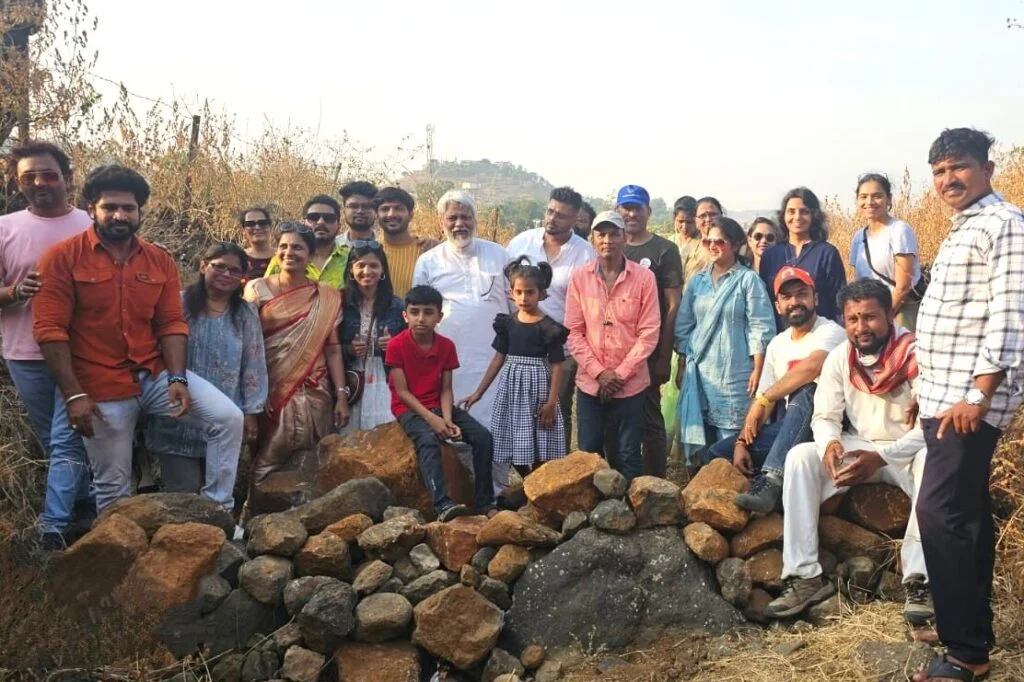
Led by the “Waterman of India,” Dr. Rajendra Singh, and powered by a collective of students, activists, and “Godavari Praharis” (Guardians of the Godavari), this journey was more than a road trip—it was a pilgrimage to reconnect a severed bond between society and its life-giving mother, the Godavari.
The Mission: Worshipping the River Through Action
While millions worship the Godavari faithfully, few stop to ask: Is she healthy? Is she flowing? The Yatra, spanning from February 4, 2020, to April 22, 2020, sought to change the narrative from blind worship to active conservation. The goal was bold: to declare the Godavari a National River and ensure she flows Aviral (uninterrupted) and Nirmal (pollution-free).
The Route: Tracing the Veins of the Godavari
The Yatra followed the river’s path through the heart of India, stopping at key cultural and ecological touchpoints. Here is a glimpse into that transformative journey:
1. The Sacred Origin: Brahmagiri & Trimbakeshwar
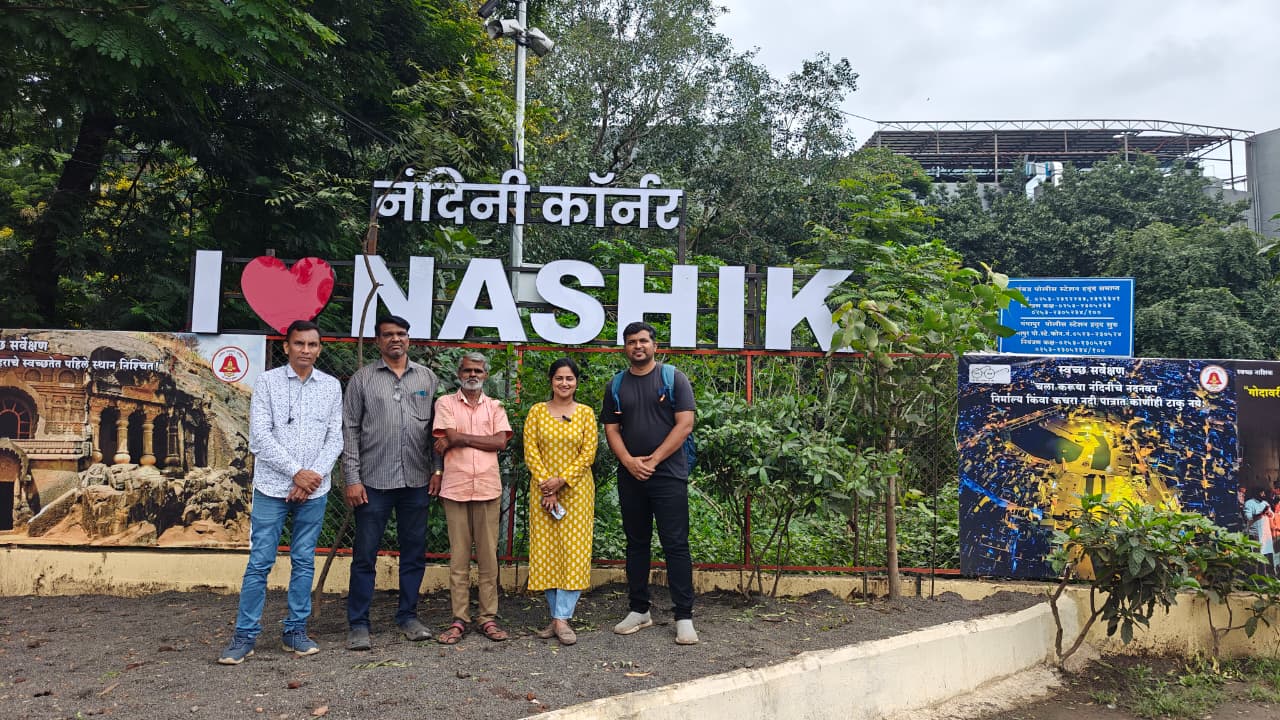
The journey began at the source. On the misty heights of Brahmagiri, where the river takes birth, the team inaugurated the mission. But just downstream in Trimbakeshwar and Nashik, the contrast was stark.
- The Reality Check: Dr. Rajendra Singh famously remarked here that the river looked like a “patient on a ventilator.” Concrete riverbeds and untreated sewage had choked the stream that was crystal clear just miles prior.
2. The Thirsty Heartland: Niphad to Sambhajinagar
Moving through Niphad, Yeola, and Kopergaon, the Yatra entered the agricultural belt. Here, the conversation shifted to the farmers. In Vaijapur and Sambhajinagar (Aurangabad), the team witnessed the “severe ties” people had with the river—viewing her only as a resource to be extracted for sugarcane, rather than a living entity to be nourished.
3. The Spiritual Hubs: Nanded & Basar
As the caravan reached Nanded, famous for its Gurudwara, the message was one of “Service” (Seva). But true service, the Yatris explained, includes keeping the river clean.
- Crossing Borders: Entering Telangana at Basar, home to the ancient Gyana Saraswati Temple, the Yatra highlighted a painful irony: at the very spot where children are initiated into education (Akshara Abhyasam), the river was being schooled in pollution, with plastic and waste dumping rampant at the banks.
4. The Delta & The Sea: Rajahmundry to Antarvedi
The final leg took the team through the lush landscapes of Andhra Pradesh. By the time the river reached Rajahmundry, the flow had weakened significantly.
- The Conclusion: The journey concluded at Antarvedi, the “sangam” where the Godavari meets the Bay of Bengal. Here, the message was urgent: due to upstream dams and extraction, the river often struggles to push into the sea, causing saltwater intrusion—a sign of a dying river.
The “Godavari Prahari”: A New Generation of Guardians
The most lasting legacy of this Yatra was the creation of Godavari Praharis. Realizing that a river cannot be saved by policy alone, the mission identified students from schools, colleges, and universities along the route to act as sentinels.
What does a Godavari Prahari do?
- Monitor: Keep a watch on local river banks for illegal dumping or industrial runoff.
- Educate: Teach their communities that “Ganga and Godavari are family”—worshipping them means keeping them clean.
- Protect: Stand as a voice for the river, ensuring she is not silenced by concrete encroachment.
Why This Matters Today
The Aviral Nirmal Godavari Yatra 2020 was a wake-up call. It reminded us that a river does not belong to a state; it belongs to the civilization it sustains.
The river is calling. Will you answer? We cannot all walk from Brahmagiri to Antarvedi, but we can all be Praharis in our own way. Reduce your water footprint, refuse single-use plastics, and treat every drop of water as if it were the Godavari herself—pure, precious, and divine.
Did this story inspire you? Share it to spread the message of #AviralGodavari.