Reconnecting Maharashtra with its Lifelines 🌊
Rivers are not just bodies of water; in India, they are often revered as mothers, sustainers of life, and the cradle of civilization. Yet, in the hustle of modern urbanization, we have increasingly turned our backs on them, viewing them merely as resources to be exploited or drains for our waste.
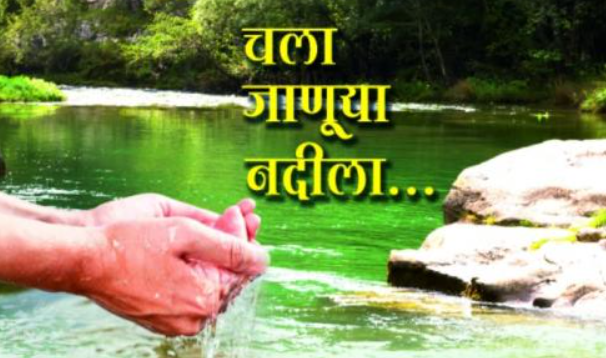
To reverse this trend and restore the sacred bond between society and its water bodies, the Government of Maharashtra launched a transformative initiative: Chala Januya Nadila (Come, Let’s Know/Understand the River).
🌿 What is the ‘Chala Januya Nadila’ Abhiyan?
Launched largely against the backdrop of Azadi Ka Amrit Mahotsav (75 years of Independence), this campaign is a massive river literacy movement. Unlike standard cleanup drives that focus only on the physical removal of waste, this Abhiyan focuses on a psychological shift.
The core philosophy is simple: You cannot protect what you do not love, and you cannot love what you do not know.
Spearheaded by the Department of Cultural Affairs in association with various NGOs and environmental experts, the campaign aims to map and study major rivers across the state, involving local citizens in the process.
🎯 Key Objectives of the Campaign
The initiative is built on a multi-tiered approach designed to create sustainable change:
- River Literacy: Educating citizens about the origin, flow, tributaries, and current health status of their local rivers.
- Citizen Participation: Moving beyond government machinery to involve students, seniors, farmers, and urban dwellers.
- Data Collection: Creating a “Health Card” for rivers based on scientific data regarding pollution levels, biodiversity, and encroachments.
- Conflict Resolution: Identifying issues facing the river (like illegal sand mining or industrial dumping) and finding community-led solutions.
🚶♂️ How Does It Work? The “River March”
The most visible aspect of this campaign is the River Walk or Nadi Samvad Yatra.
- Mapping the Stretch: Volunteers and officials walk along the banks of selected rivers.
- Observation: They document the flora, fauna, and sources of pollution.
- Dialogue: They interact with the communities living on the riverbanks (villagers, fisherfolk) to understand their relationship with the river and the challenges they face.
- Celebration: The campaign encourages celebrating local river festivals to revive cultural associations with the water.
Did You Know? The initial phase targeted over 75 rivers across Maharashtra to mark the 75th year of Indian Independence.
🛡️ The Rise of the ‘River Praharis’
A unique feature of Chala Januya Nadila is the creation of River Praharis (River Guardians).
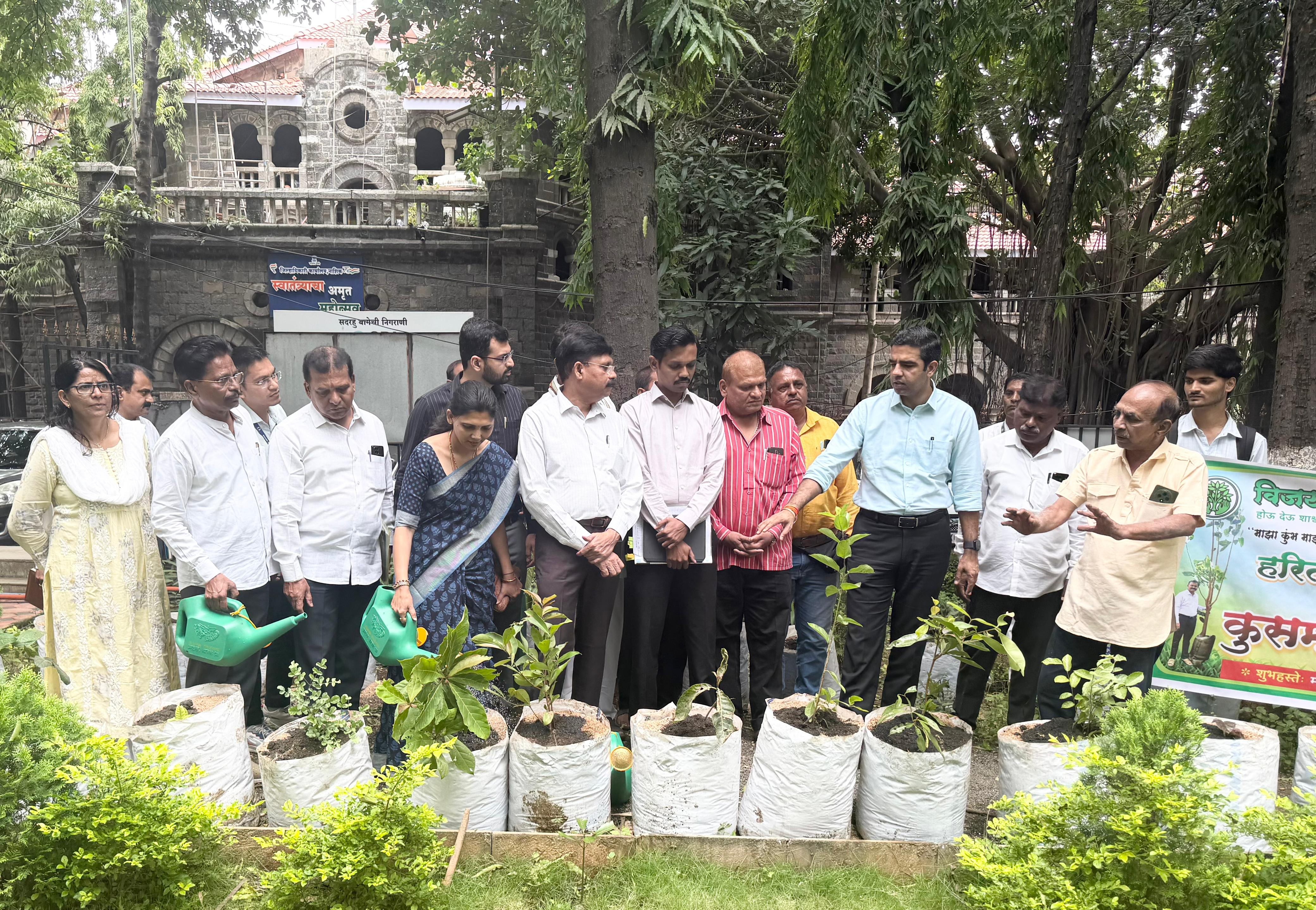
These are dedicated volunteers from the local community who are trained to monitor the river’s health permanently. They act as the eyes and ears of the river, reporting illegal activities and organizing regular awareness drives. This ensures that the movement doesn’t end when the official “campaign” period is over.
🌏 Why This Matters Now
Maharashtra is home to vital river basins like the Godavari, Krishna, Tapi, and Narmada. However, many smaller tributaries and urban rivers (like the Mula-Mutha in Pune or Mithi in Mumbai) are facing an existential crisis due to heavy pollution and encroachment.
Chala Januya Nadila is crucial because it shifts the narrative from “The Government will clean it” to “We must understand and protect it.”
🤝 How Can You Get Involved?
Even if you aren’t part of the official committee, you can embrace the spirit of the campaign:
- Visit the Source: Take a weekend trip to find where your local river originates.
- Stop the Pollution: Be mindful of what goes down your drain; chemical cleaners eventually end up in the river.
- Participate in Visarjan Responsibly: During festivals like Ganesh Chaturthi, opt for eco-friendly idols and artificial immersion tanks.
- Spread the Word: Use social media to highlight the beauty—and the plight—of the rivers near you.
Final Thoughts
Chala Januya Nadila is not just a government scheme; it is a clarion call for a cultural renaissance. It reminds us that the river flows not just through our land, but through our history and our future.
By taking the time to “know” our rivers, we take the first step toward saving them.