From Ritual to Restoration: The Story of Harit Kumbh
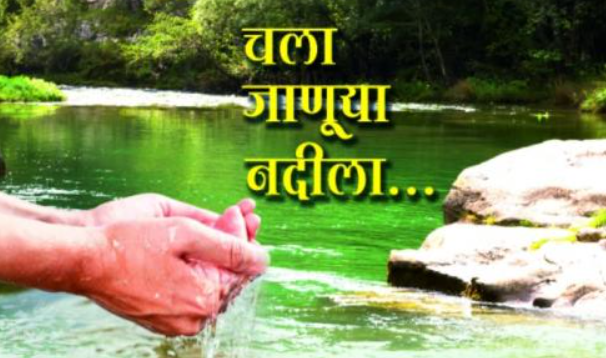
The Kumbh Mela is known globally as a massive congregation of faith, a timeless tradition of dipping in holy waters to cleanse the soul. But what happens when the river that washes away our sins is itself in need of cleansing?
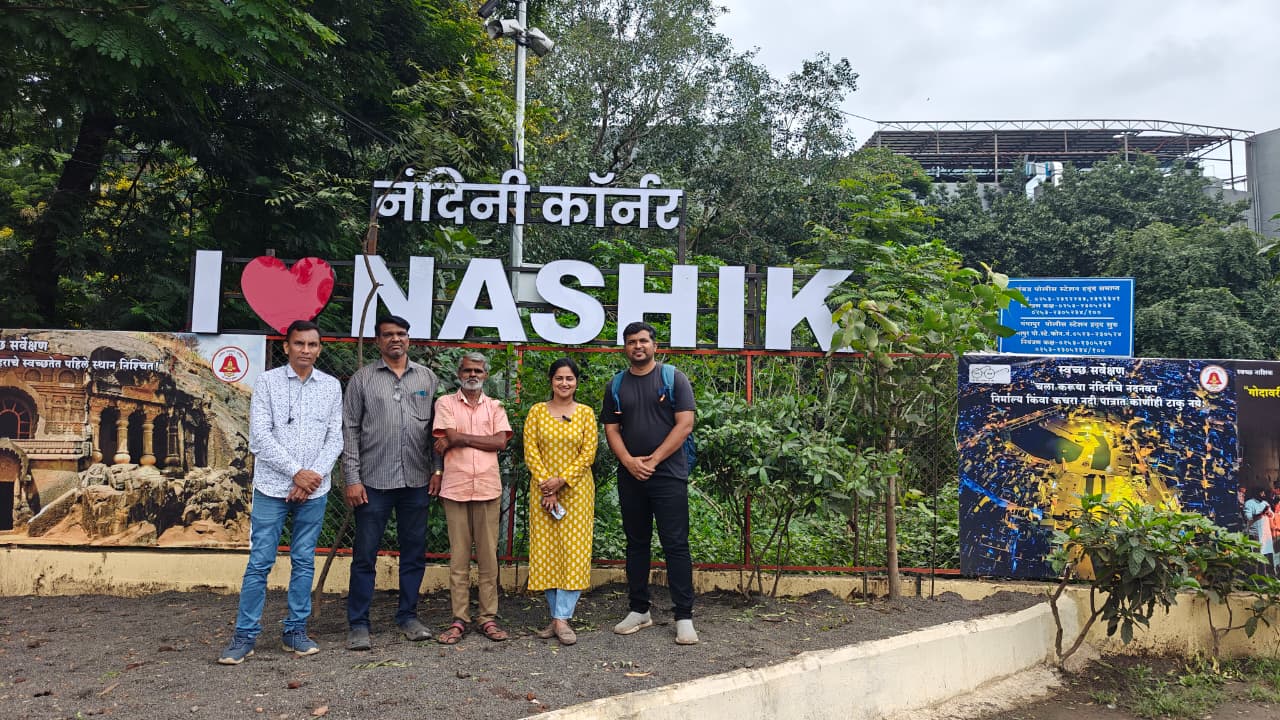
In Nashik, the banks of the Godavari witnessed a different kind of awakening—one that transformed a religious festival into an ecological revolution. This is the story of the Harit Kumbh (Green Kumbh).
The Genesis: A Petition to Save a River
The inception of this concept wasn’t in a temple, but in a courtroom. By 2012, the state of the River Godavari had reached a crisis point. Pollution was rampant, and negligence—both by the state and the citizens—was choking the river.
Refusing to be a silent spectator, Rajesh Pandit and a group of concerned citizens took a stand. They filed a petition in the Bombay High Court, highlighting the dire need to protect the river. They argued that the very resource central to our survival and faith was being destroyed.
The Bombay High Court responded with a landmark intervention. They appointed a committee with a visionary directive: Transform the traditional Simhastha Kumbh Mela into the Harit Kumbh movement.
The mandate was clear: Promote activities beneficial to nature and actively discourage those that harm it.
The Blueprint: Harit Kumbh 2024
The movement has evolved into a structured initiative with clear goals. The “Harit Kumbh” is built on four robust pillars designed to ensure that our environmental efforts are as persistent as our traditions.
The 4 Pillars of Harit Kumbh
- Creating Public Awareness: Generating massive public participation to ensure the movement belongs to the people, not just the authorities.
- Extensive Cleanliness Drives: Moving beyond symbolic gestures to deep, consistent cleaning of the riverfronts and city areas.
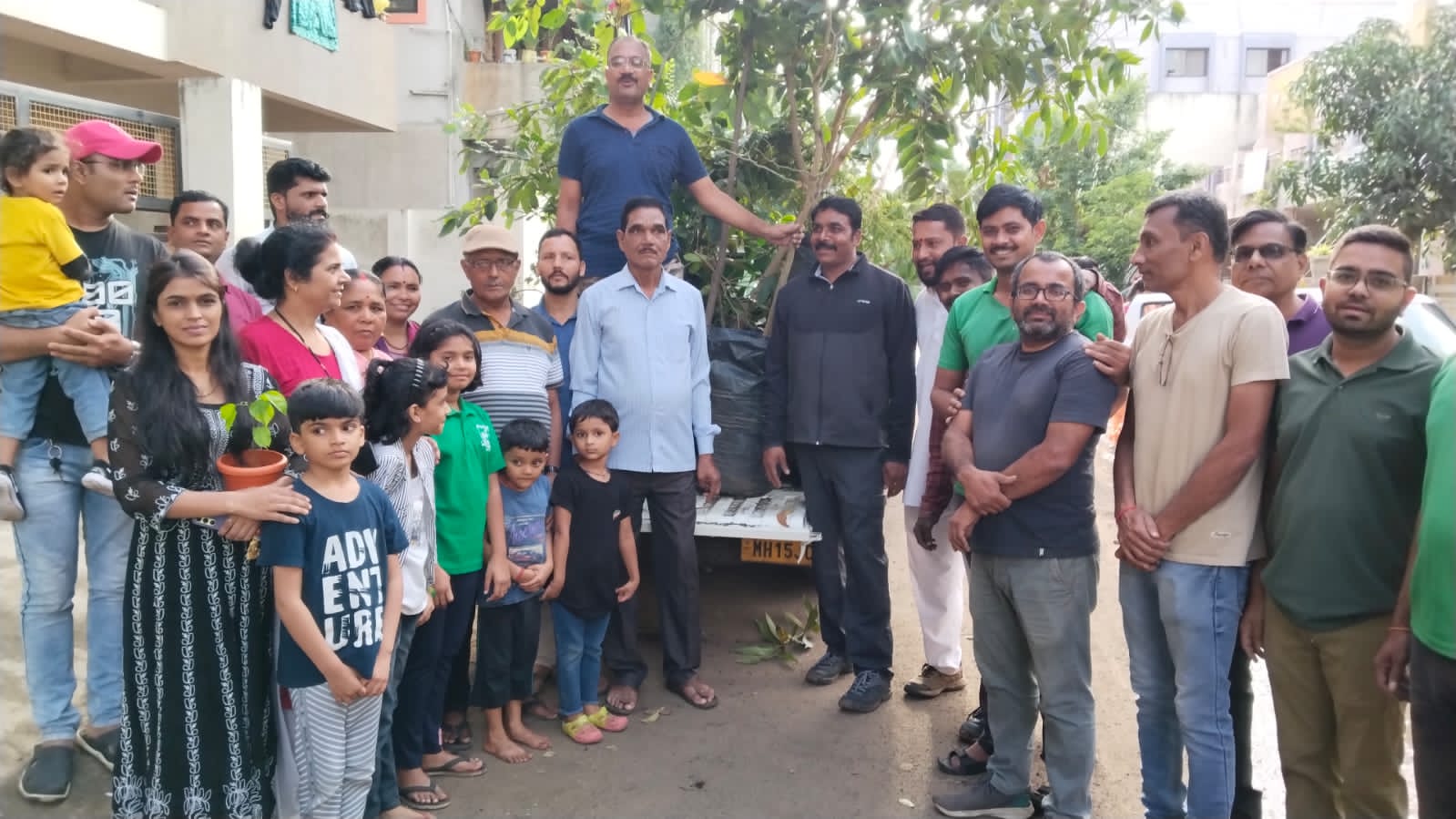
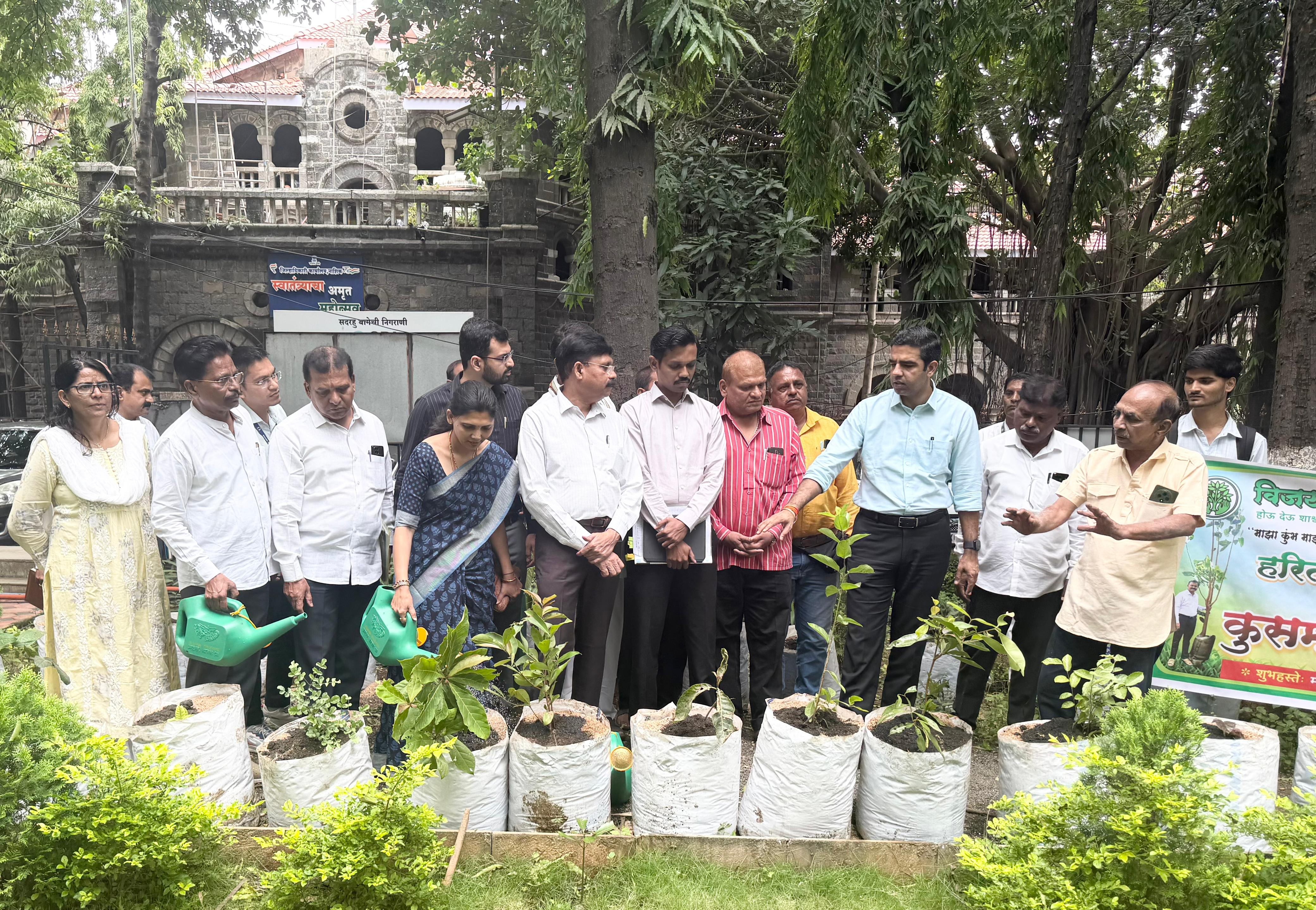
- Massive Tree Plantations: increasing green cover to restore the ecological balance.
- Restoring Natural Resources: A holistic approach to reviving all natural water bodies and resources, not just the main river channel.
Impact in Action: How the Community Responded
The transition from “concept” to “reality” saw an outpouring of community support. The movement proved that when the cause is just, the people will follow.
- The Green Record: In a historic display of solidarity, the District Administration, NGOs, and general society came together on July 1st, 2015, to plant 6.5 lakh trees in a single day.
- Youth Leadership: College students took the message to the streets. Through street plays and skits performed on the riverfront, they dramatized the issue of a “Clean Godavari,” making the message accessible to all.
- Educational Engagement: Schools and colleges hosted competitions where students designed posters on critical issues like river pollution, waste disposal, and the prevention of plastic use.
- Policy & Thought Leadership: A National Seminar on Environment and Law was conducted to discuss the legal framework necessary for long-term river protection.
The Way Forward
The Harit Kumbh is more than an event; it is a shift in consciousness. It teaches us that true devotion involves protecting the creation. As we look toward the future, the message from the Bombay High Court and the citizens of Nashik remains urgent and relevant.
Let us all come together and contribute towards creating a better environment for ourselves and future generations.