🎯 The Time is Now: Making Kumbh Mela 2027 a Plastic-Waste-Free Celebration
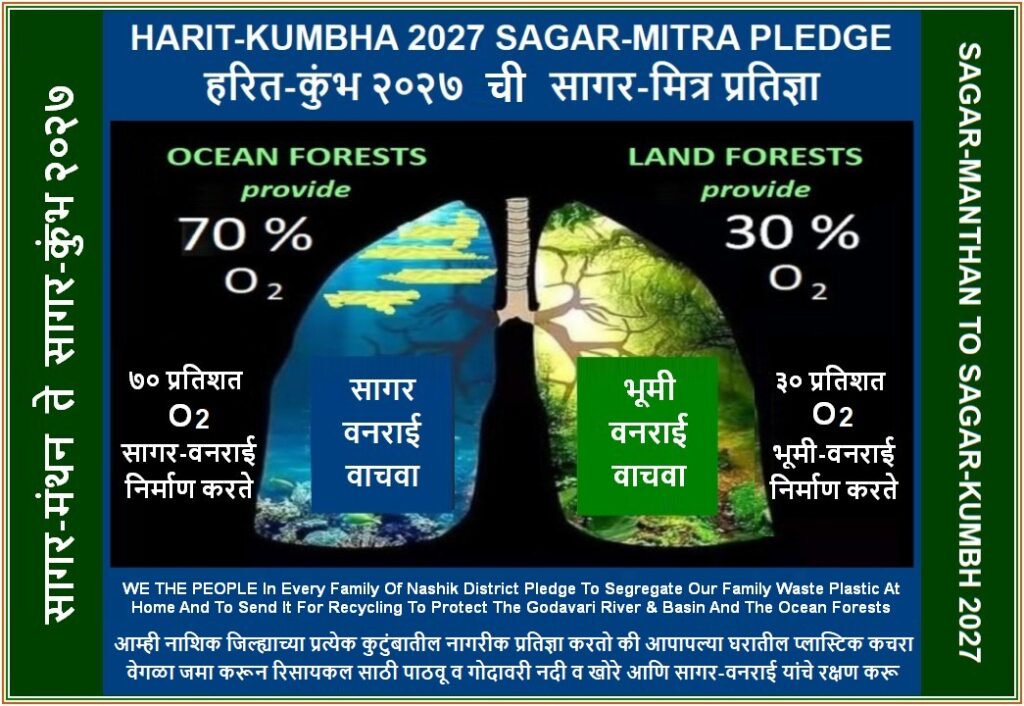
As our city — Nashik — prepares to host the grand Simhastha Kumbh Mela in 2027, the urgency of safeguarding our sacred river Godavari River, its adjoining lands and our coastal/ocean ecosystem has never been greater. At this moment, the movement of the “sagar-mitra” (sea-or-ocean friend) truly becomes local heroism: a pledge to one student, one family, one school at a time. The poster you shared lays it out clearly: land-forests produce ~30 % of our oxygen, ocean-forests ~70 % — and anything we dump on land, especially plastic, eventually ends up in the water, the river, the sea.
What the Initiative Is
- The SagarMitra Abhiyan (also spelled Sagarmitra) is a plastic-waste collection & recycling programme founded in 2011 by Vinod Bodhankar and his team at The Academic Advisors. World Ocean Observatory
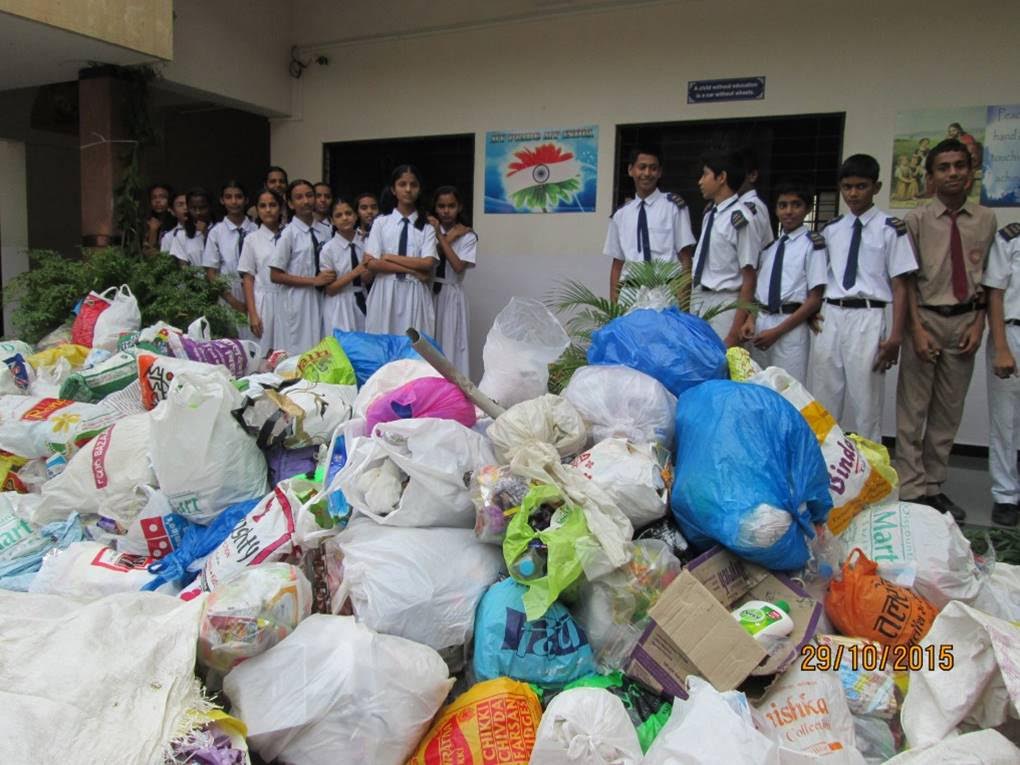
- Typical model: Students (grades 5-9 or older) collect clean, dry, empty plastic items in a bag at home; monthly they bring them to school; the plastics are aggregated, weighed, and sent for recycling. The Wire Science
- In Pune, for example, 100 000+ students and their households have joined, and dozens of tonnes of plastic have been diverted from landfills or waterbodies. The Wire Science
- Importantly: The initiative focuses on how land‐based plastic waste eventually reaches rivers and oceans — educating children and families about the chain: home → school/collection point → recycling or safe disposal. Parisar
Why It Matters for Nashik & Kumbh 2027
- The upcoming Simhastha Kumbh Mela (scheduled for around July-August 2027) will bring millions of pilgrims to Nashik, Trimbak and the Godavari basin. India Today
- With such huge influx, the pressure on river-banks, ghats, plumbing, sanitation and waste-management systems is enormous. Plastic waste in or near the river would directly degrade the holy bathing pits and the river environment.
- The government and civic authorities are already prioritizing pollution control of the Godavari ahead of Kumbh. The Times of India
- That means community-led action such as SagarMitra’s school-and-household programme is perfectly aligned with the broader infrastructure push — because infrastructure alone cannot capture every wrapper, every bottle, every stray bag.
Our Mission for Nashik Schools & Families
Here’s how the programme you’re spearheading (with schools in Nashik) will take shape:
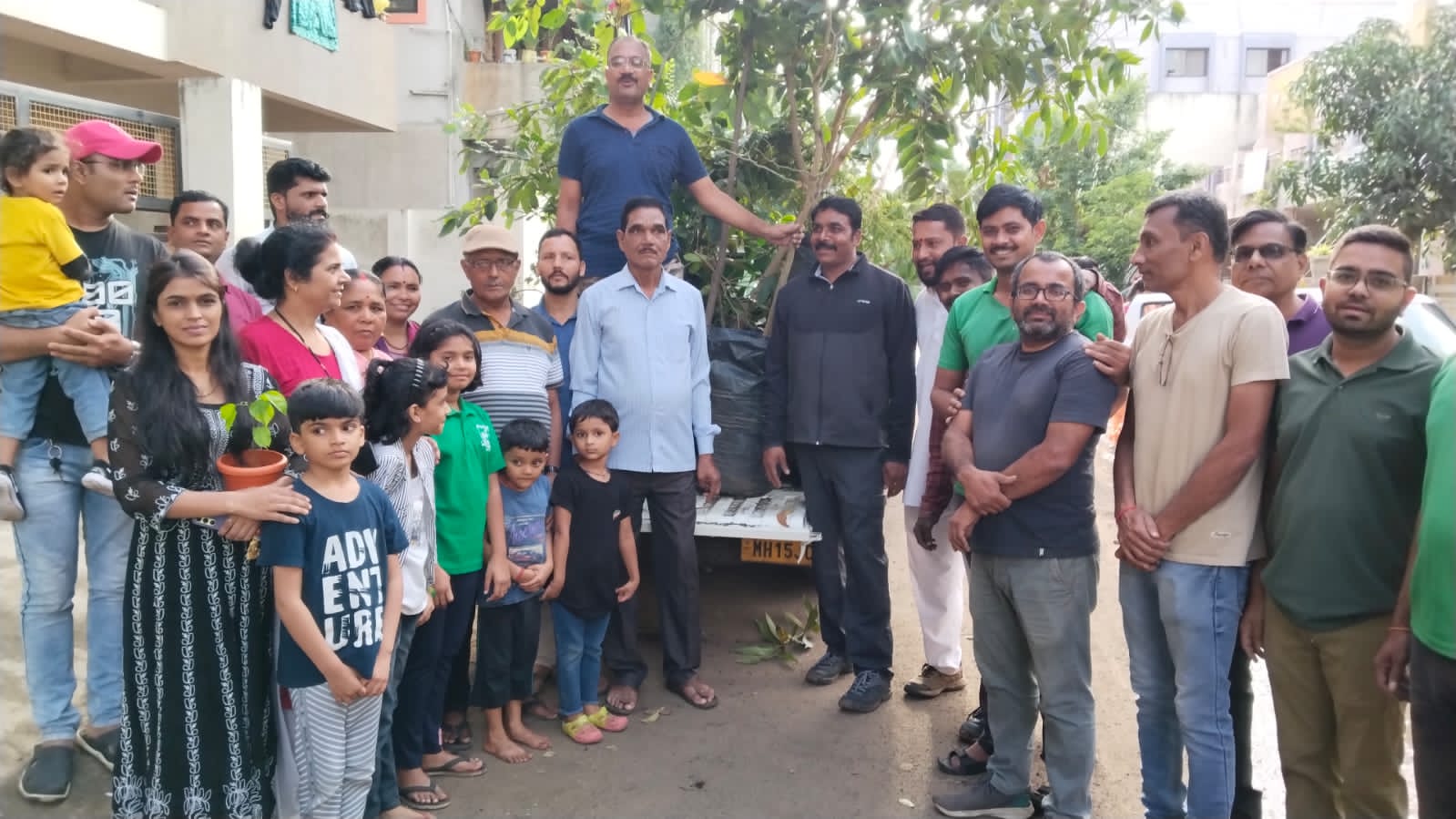
- One Student → One Family: Each participating student becomes a “sagar-mitra” for their household. They and their family commit to separate dry plastic waste from home and send it for recycling (or collection) once a month.
- School as Hub: Schools partner with local NGOs/municipality for monthly drop-off days; the collected plastics are weighed and forwarded for proper recycling or safe disposal (rather than landfill or river-dumping).
- Awareness & Ownership: Alongside collection, each school runs short workshops or assemblies explaining:
- how plastic from land ends up in rivers/oceans;
- why a clean Godavari matters for the local community and Kumbh pilgrims;
- how students and their families are making a difference.
- Tracking & Celebration: Schools track monthly collection weight, and families are encouraged to see their “bag count” or “items collected” as part of a friendly challenge. Celebrations or recognition for high-performing classes/families help sustain momentum.
- Link to Harit Kumbh 2027 Vision: This ties directly into the poster’s theme of “Harit-Kumbh 2027 Sagar-Mitra Pledge” — “we the people in every family of Nashik district pledge to segregate our family waste plastic at home and send it for recycling … to protect the Godavari river & basin and the ocean-forests”.
Why It Works: Lessons from SagarMitra’s Past
- Children find it easier to collect from their homes than from streets (safer, controlled). The original programme deliberately chose “home plastic collection” rather than asking children to pick waste in riverside dumps. The Wire Science
- The collection process is simple (one bag, monthly drop-off) and tied to school routines. This simplicity means greater uptake.
- The act of the child influencing at least 3 people in their home (parents, siblings) multiplies impact. The Wire Science
- The collected plastics may also generate a small revenue for schools or community (for example through recycling companies) which creates ownership. The Times of India
What Needs Extra Focus in Nashik
- Dry + Clean Plastics Only: Ensure items are free of food/liquid contamination, as recycling is much more efficient when the plastic is clean.
- Behaviour Change at Home: Many families may not yet have habit of segregating waste; awareness sessions for parents, perhaps via PTAs or community meetings, will help.
- Local Recycling Logistics: Ensure tie-ups with local recyclers or collection agencies so that the collected plastic actually reaches processing plants (not just piling up at schools). SagarMitra in Pune worked with the recycling company CGMPL. The Wire Science
- Avoid Dumping in River: Emphasise that the plastic must not be thrown into drains or rivers. Especially important with Kumbh preparations underway.
- Recognition & Motivation: Regular updates on how much has been collected, shared via school noticeboards or micro-celebrations, will keep enthusiasm high.
- Link to Kumbh Spirit: Frame this as part of “Harit Kumbh” (Green Kumbh) — a Nashik Kumbh that honours the river and environment as much as the pilgrims.
Draft Intro for Your Blog Post
“When millions come to bathe in the holy Godavari, the river dreams of being unburdened by the plastic we leave behind.”
In the run-up to the grand Simhastha Kumbh Mela 2027, Nashik stands at a crossroads of spirituality and sustainability. The promise of sacred dips and timeless rituals calls for a renewed pledge: to protect not just the waters, but the very forest-lungs of land and sea that sustain life.
Enter the Sagar-Mitra initiative: one school. one student. one family. one bag of dry plastic at a time. Because when each home decides to keep plastic out of its waste stream — and each school becomes a hub of recycling — we begin to rewrite the future of our river and our oceans.
This is not just about a mega-event in 2027. It’s about the legacy we leave behind: a Godavari that flows clean, a basin that breathes free, an ocean that doesn’t choke.
And so, Nashik’s children rise as guardians of the river, in their homes and communities. They become the Sagar-Mitras of Harit Kumbh 2027.